

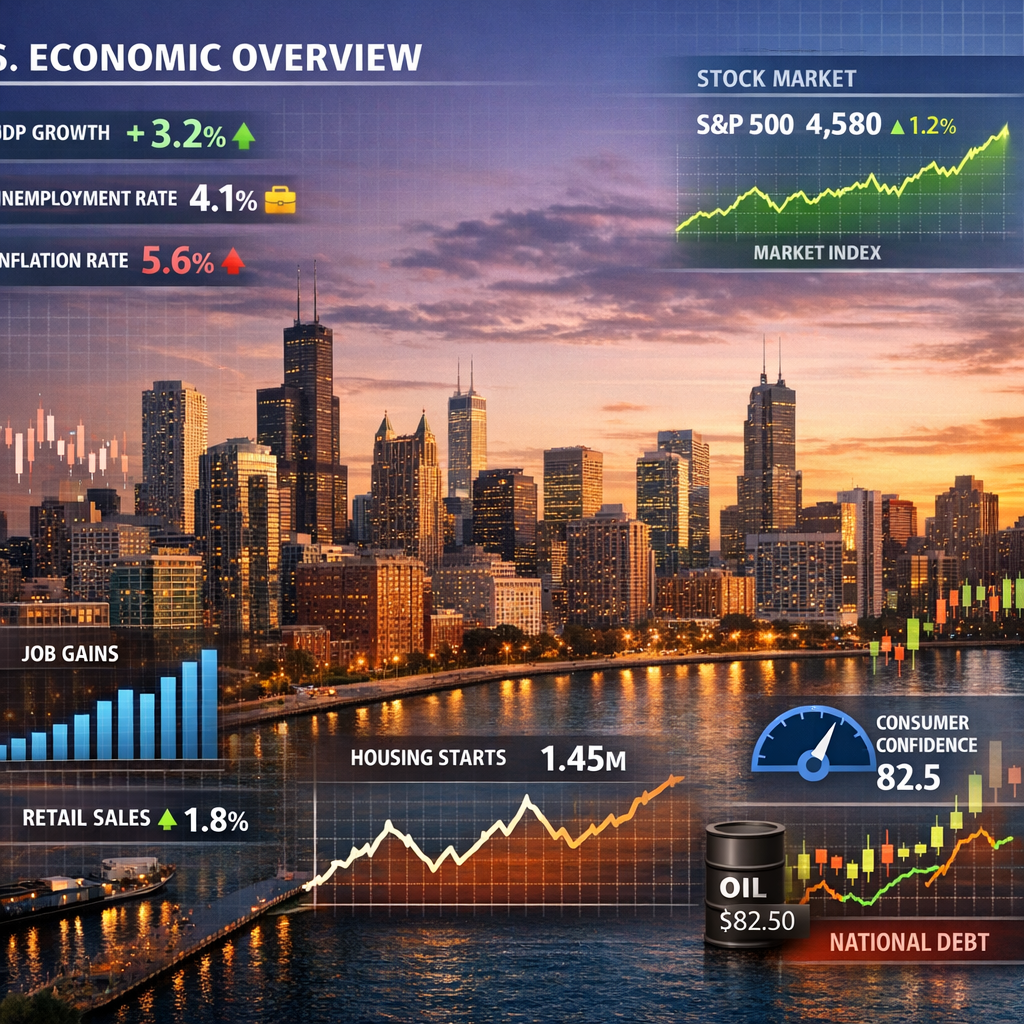
Americans are growing increasingly uneasy as economic concerns—especially inflation, cost of living, and housing—take center stage in national politics. These pressures are shaping public opinion, party strategies, and looking like some of the biggest factors heading into the midterm elections this fall.
Where the U.S. Economy Stands
Recent jobs data shows continued, though modest, growth: August brought 162,000 new jobs, while the unemployment rate held steady at about 4.1%. Many economists are watching closely, as inflation remains a stubborn issue—affecting everything from groceries to rent. The Federal Reserve faces pressure to act, but policy moves are being weighed against fears of hurting growth with aggressive rate hikes.
How Americans Feel
Surveys reveal widespread frustration: a majority view the economy’s direction negatively, with more people concerned than hopeful about their household finances. Three of the top worries are healthcare, housing, and the high cost of consumer goods. Even among political bases, confidence varies—Republicans tend to express more optimism about recent economic trends than Democrats.
What’s Driving Appetite for Change
The burden of inflation and the cost of living has become more acute for many households. Rising prices are making essentials less accessible—especially for lower- and middle-income Americans. For many, the question isn’t just whether the economic trends will improve, but whether they’ll feel better in their day-to-day lives.
Political Fallout and Midterm Implications
With economic anxiety high, both major parties are positioning themselves for the November midterms. Public polling suggests no clear advantage for either side on economic leadership, but issues of affordability and economic fairness are favoring narratives often associated with Democratic messaging. Conversely, immigration, public safety, and trade remain strong platforms for Republican candidates.
Meanwhile, fiscal health is under scrutiny. A recent report from the U.S. Government Accountability Office warned that federal debt could grow to more than 120% of GDP within a decade unless major adjustments are made. Budget pressure and spending priorities—especially on interest payments, defense, and social programs—loom large as voters press for both accountability and relief.
What Comes Next
In the months leading up to the midterms, the trajectory of inflation, jobs growth, and consumer confidence could sway outcomes in tight districts. White House and Congressional efforts aimed at easing cost pressures—whether by legislation, regulation, or fiscal policy—will face intense public and political scrutiny.
One thing is clear: economic stress isn’t just part of the backdrop in U.S. politics—it’s front and center. How leaders respond now may reshape confidence in government long after the ballots are cast.